





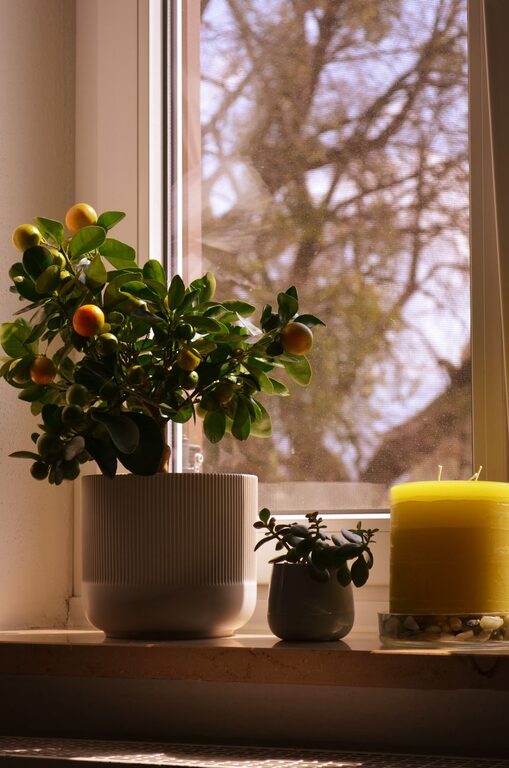
Bringing plants into your home is one of the simplest and most rewarding ways to refresh your living space. Not only do plants add a natural touch and vibrant color, but they also improve air quality and promote a sense of calm. Whether you’re new to plant care or looking to expand your indoor garden, this guide will help you choose the right plants and place them to create a fresh, inviting atmosphere.
Why Add Plants to Your Home?
Plants can transform any room with their beauty and the life they bring. Here are some benefits of adding greenery to your living space:
– Improved air quality: Many indoor plants filter toxins and release oxygen.
– Stress reduction: Studies show that interacting with plants can lower stress and improve mood.
– Aesthetic appeal: Plants add texture, color, and interest to your décor.
– Humidity control: Certain plants help increase humidity, which is beneficial in dry environments.
Choosing the Right Plants for Your Home
When selecting plants, consider your space, light conditions, and how much time you want to spend on care.
Light Levels
– Bright light: Plants like succulents, fiddle leaf figs, and snake plants thrive near windows with plenty of sunlight.
– Low light: If your room has limited natural light, opt for plants like pothos, ZZ plants, or peace lilies.
– Medium light: Many plants, such as spider plants and philodendrons, do well in moderate light.
Care Requirements
– Low-maintenance: Succulents, snake plants, and ZZ plants require minimal watering and attention.
– Moderate care: Plants like spider plants and peace lilies need regular watering but are forgiving.
– High-maintenance: Orchids and some ferns require more specific humidity and watering routines.
Size and Growth
– Choose plants that fit your space. Large floor plants like fiddle leaf figs make a statement, while small succulents and cacti are perfect for desks or shelves.
Where to Place Plants in Your Home
Strategic placement enhances both plant health and room appeal.
– Living room: Use large floor plants near seating areas or windows. Smaller plants can decorate coffee tables or shelves.
– Kitchen: Herbs like basil, mint, and rosemary add freshness and are handy for cooking.
– Bathroom: Humidity-loving plants such as ferns and spider plants thrive here.
– Bedroom: Choose air-purifying plants like snake plants or peace lilies to create a restful atmosphere.
Tips for Plant Care Success
To keep your plants healthy and vibrant, follow these simple care tips:
- **Water properly:** Overwatering is a common mistake. Check soil moisture before watering.
- **Use suitable pots:** Ensure containers have drainage holes to prevent root rot.
- **Feed occasionally:** Use a balanced fertilizer during the growing season.
- **Rotate plants:** Turn your plants regularly to ensure even growth.
- **Clean leaves:** Dust can block sunlight; gently wipe leaves to keep them clean.
- **Monitor pests:** Check for signs of insects and act promptly if needed.
Creative Ways to Display Plants
Make your plants part of the décor with creative displays:
– Plant shelves: Arrange pots of different shapes and sizes on floating shelves.
– Hanging planters: Save space by suspending plants near windows or in corners.
– Terrariums: Create miniature ecosystems in glass containers.
– Plant clusters: Group plants with similar care needs for a lush look.
– Repurpose containers: Use vintage pots, teacups, or jars for unique planters.
Final Thoughts
Refreshing your home with plants is a fun and practical way to enhance your environment. Start with a few easy-to-care-for plants and experiment with placement and arrangements. Over time, you’ll create a green oasis that brings beauty, health benefits, and joy to your everyday life. Remember, every plant is a new opportunity to connect with nature indoors!




More Stories